


Embark on a journey to uncover The Secret to Matching Your Siding and Gutters with Your Architectural Style, diving into the intricate details that make a house truly harmonious.
Explore the nuances of architectural styles, siding materials, gutter choices, color coordination, and design harmony in this comprehensive guide.
Understanding Different Architectural Styles
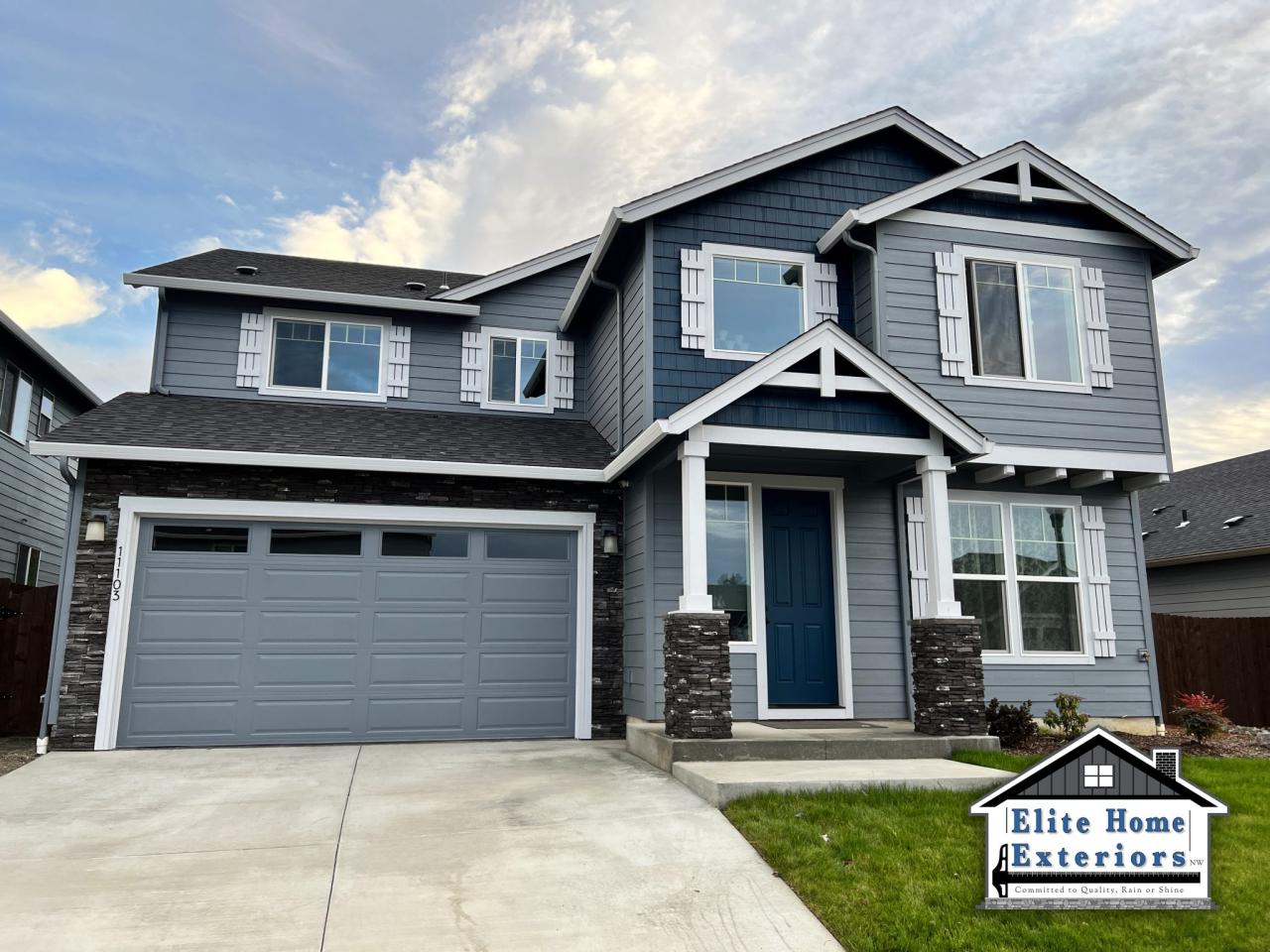
When it comes to residential homes, there are various architectural styles that can influence the overall look and feel of a property. Understanding these styles is essential in choosing the right siding and gutter options to complement the design of the house.
Colonial Style
Colonial homes are known for their symmetrical design, with a focus on balance and proportion. Common siding choices for Colonial homes include clapboard or shingle siding in neutral colors like white, gray, or beige. Traditional white gutters or copper gutters can enhance the classic look of a Colonial home.
Craftsman Style
Craftsman homes feature natural materials like wood and stone, with a strong emphasis on craftsmanship and simplicity. To match the Craftsman style, consider using wood or fiber cement siding in earthy tones such as brown, green, or tan. Pairing these siding options with seamless aluminum gutters can maintain the authenticity of a Craftsman home.
Modern Style
Modern homes are characterized by clean lines, large windows, and minimalistic design elements. Opt for sleek and smooth siding materials like metal panels or stucco in bold colors such as black, gray, or white. Contemporary homes often pair their siding with seamless aluminum gutters in a matching color to create a cohesive look.
Tudor Style
Tudor homes feature decorative half-timbering, steeply pitched roofs, and brick or stucco exteriors. Consider using stucco or brick veneer siding in earthy tones like red, brown, or beige to complement the Tudor style. Half-round gutters in copper or dark colors can add a touch of elegance to a Tudor home.
Selecting the Right Siding Materials
When it comes to choosing the right siding materials for your home, it is essential to consider not only the aesthetic appeal but also the durability and maintenance requirements. Different siding materials offer varying benefits and drawbacks, so it's crucial to weigh your options carefully.Vinyl Siding: One of the most popular choices for homeowners, vinyl siding is affordable, low-maintenance, and comes in a wide range of colors and styles. However, it may not offer the same level of insulation as other materials and can be prone to fading over time.Wood Siding: Wood siding provides a classic, natural look that many homeowners love. It is also durable and can last for decades with proper maintenance. However, wood siding requires regular painting or staining to prevent rot and water damage.Fiber Cement Siding: Fiber cement siding is a versatile option that combines the look of wood with the durability of cement. It is resistant to rot, fire, and pests, making it a popular choice for many homeowners. However, installation can be more labor-intensive and costly compared to other materials.Stucco: Stucco is a traditional siding material that offers a unique texture and appearance. It is durable, fire-resistant, and low-maintenance. However, stucco can be prone to cracking and may require regular inspection and repairs to maintain its integrity.Choosing the Best Siding Material: When selecting the right siding material for your home, consider the architectural style of the house. For example, wood siding may be more suitable for a rustic or traditional style home, while fiber cement or stucco may complement a modern or Mediterranean-style houseChoosing Complementary Gutter Styles
When it comes to protecting your home from water damage, gutters play a crucial role by redirecting rainwater away from the foundation, walls, and landscaping. Choosing the right gutter style is not only important for functionality but also for enhancing the overall aesthetic appeal of your home.
Types of Gutter Styles
There are several gutter styles to choose from, each with its own unique characteristics and visual impact:
- K-Style Gutters: These gutters have a flat bottom and back, with a decorative front that resembles the letter "K". They are versatile and can complement a wide range of architectural styles.
- Half-Round Gutters: As the name suggests, these gutters are semi-circular in shape and offer a more traditional look. They are often seen on historic or classic homes.
- Box Gutters: These gutters are integrated into the roof structure, providing a seamless and sleek appearance. They are commonly found in modern or contemporary architectural designs.
Choosing the Right Gutter Style
When selecting gutter styles that complement your siding and architectural style, consider the following tips:
- Match the gutter material to the siding material for a cohesive look.
- Take into account the roofline and trim details when choosing the gutter profile.
- Consider the overall aesthetic of your home and select a gutter style that enhances its architectural features.
- Consult with a professional to ensure proper sizing and installation of the gutters for optimal performance.
Color Coordination and Design Harmony
When it comes to the exterior of your home, color coordination plays a crucial role in creating a cohesive and visually appealing look. Matching your siding and gutters with your architectural style is important, but ensuring they complement each other through a well-thought-out color scheme is equally essential.
The Significance of Color Coordination
- Choose a color palette that complements the architectural style of your home. For traditional styles, earthy tones like beige, brown, or gray work well, while modern homes can benefit from bold and contrasting colors.
- Consider the surroundings and landscape when selecting colors. Your home's exterior should harmonize with the natural elements around it.
- Use color to highlight architectural details. A contrasting trim color can draw attention to unique features of your home.
Tips for Creating a Cohesive Color Scheme
- Start by looking at color swatches and samples in natural light to see how they appear outside.
- Limit your palette to 3-4 colors to avoid overwhelming the eye with too many hues.
- Use color theory to your advantage - consider complementary or analogous color schemes for a harmonious look.
Enhancing Aesthetic Appeal with Design Harmony
- Design harmony involves creating a balanced and visually pleasing composition of elements on the exterior of your home.
- Consistency in materials, textures, and colors across the siding, gutters, trim, and other architectural components can enhance the overall aesthetic appeal.
- Pay attention to proportions and scale to ensure that each element works together seamlessly.
Final Summary
As we conclude this exploration of The Secret to Matching Your Siding and Gutters with Your Architectural Style, remember that attention to detail can transform a house into a work of art that reflects your unique style.
FAQ
How do different architectural styles influence siding and gutter choices?
Architectural styles dictate the overall aesthetic of a home, guiding decisions on siding materials and gutter styles that complement the design seamlessly.
What are the popular siding materials and their pros and cons?
Popular siding materials like vinyl, wood, fiber cement, and stucco each have unique advantages and drawbacks, influencing the choice based on factors like durability and maintenance.
Why is color coordination important for siding, gutters, and other exterior elements?
Color coordination ensures a cohesive look for the exterior of a house, enhancing curb appeal and creating a visually pleasing overall design.