

Starting off with How to Tell if Your Home Needs Complete Siding and Gutters Replacement, this introductory paragraph aims to engage readers and provide a brief overview of the topic.
The following paragraph will delve into the details and specifics of the signs to look out for.
Signs of Deterioration
When it comes to the exterior of your home, signs of deterioration in the siding and gutters should not be ignored. Here are some common indicators that may signal the need for complete replacement.Peeling Paint or Mold Growth
- Peeling paint on your siding can be a clear indication that the material is no longer protecting your home effectively. This can lead to water damage and further deterioration.
- Mold growth on the siding or gutters is a sign of excess moisture, which can compromise the structural integrity of your home. It can also pose health risks to you and your family.
Sagging or Uneven Gutters
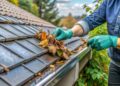
- If you notice your gutters sagging or pulling away from the roofline, it could be a sign that they are no longer functioning properly. This can lead to water pooling around your home's foundation, causing potential structural damage.
- Uneven gutters may not be properly directing water away from your home, leading to water infiltration and damage to your siding and foundation.
Structural Damage Assessment
Assessing structural damage in your home is crucial to ensure the safety and integrity of the building. Ignoring signs of deterioration can lead to more severe issues down the line.Cracks or holes in the siding of your home can indicate underlying structural problems. These openings can allow water to seep into the walls, causing rot, mold, and compromising the stability of the structure.Impact of Water Damage from Faulty Gutters
Improperly functioning gutters can result in water pooling around the foundation of your home. This excess water can weaken the foundation over time, leading to cracks and structural instability. It is essential to address gutter issues promptly to prevent costly damage to the foundation.Age and Lifespan Considerations
When it comes to your home's siding and gutters, understanding the age and lifespan of these components is crucial in determining when replacement is necessary. Let's delve into the typical lifespan of siding and gutters, why age matters, and how material advancements have impacted longevity.
Typical Lifespan and Replacement Needs
Both siding and gutters are designed to last for a specific period, but various factors can affect their longevity. Generally, the lifespan of siding can range from 20 to 40 years, depending on the material used. Vinyl siding tends to have a shorter lifespan compared to fiber cement or metal siding. On the other hand, gutters can last anywhere from 20 to 50 years, with proper maintenance playing a significant role in extending their lifespan.
Crucial Role of Age in Replacement
The age of your siding and gutters is a critical factor in determining whether they need to be replaced. As these components age, they become more susceptible to wear and tear, leading to issues such as leaks, cracks, and mold growth. Older siding and gutters may also struggle to provide adequate protection against the elements, compromising the structural integrity of your home.
Advancements in Material Longevity
Advancements in materials have significantly improved the longevity of siding and gutter systems. Modern siding materials are more durable, weather-resistant, and low-maintenance compared to older options. For example, fiber cement siding is known for its longevity and resistance to rot and pests. Similarly, gutter systems now come in a variety of materials like aluminum, steel, and copper, offering enhanced durability and performance.
Energy Efficiency Impact
Old or damaged siding and gutters can have a significant impact on the energy efficiency of your home. When these components are deteriorating, they can allow air leaks and moisture infiltration, leading to increased energy consumption to maintain a comfortable temperature indoors.Role of Insulation and Airtightness
Insulation and airtightness play a crucial role in the overall energy efficiency of a home. Proper insulation helps regulate indoor temperatures by reducing heat transfer through walls, ceilings, and floors. Additionally, ensuring airtightness prevents drafts and air leaks, maintaining a consistent indoor climate.- Proper insulation and airtightness can help reduce the workload on heating and cooling systems, leading to lower energy bills.
- Old or damaged siding and gutters can compromise insulation and airtightness, resulting in energy loss and higher utility costs.
- Replacing siding and gutters can improve insulation and airtightness, enhancing energy efficiency and reducing energy consumption.
End of Discussion
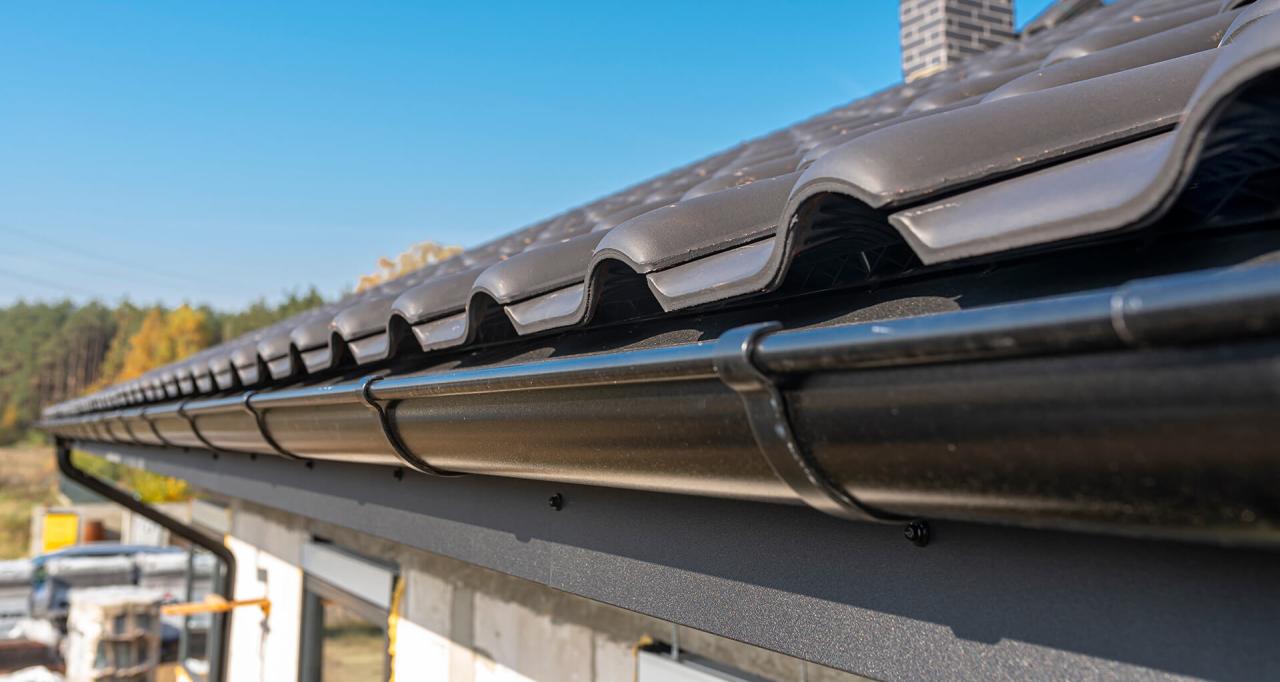
In conclusion, this discussion has highlighted the key indicators and considerations when determining the need for complete siding and gutters replacement.
Commonly Asked Questions
What are some common signs of deteriorating siding and gutters?
Some common signs include peeling paint, mold growth, and sagging or uneven gutters.
What is the typical lifespan of siding and gutters?
Siding can last around 20-40 years, while gutters usually last 20 years.
How do old or damaged siding and gutters impact energy efficiency?
Old or damaged siding and gutters can lead to energy loss due to poor insulation and airtightness.